The One Swap To Boost Your Health, The Environment, and Your Community

Digestive issues, hormone imbalances, brain fog, autoimmune disorders, inflammation, allergies, cancers, we all know someone that suffers from one or many of these ailments; maybe even yourself.
Would you be surprised to learn that foods can cause these issues? Well, I should say how foods are made can be a cause. I wish I could hand you a potato and it’s always going to be the best potato for you no matter what. Unfortunately that’s not the world we live in. I’ll explain more what I mean by that in a minute. We’re going to talk about how one swap in the foods you choose rules them all to make a huge positive difference in your overall health and especially to combat the above health complications. (Okay that may be a bit of an exaggeration but hopefully you caught on to my reference.)
One swap for the most bang for your buck on your groceries, one swap to find the most nutrients out of your foods, one swap to bring support your body’s immune system, and in the light bind those health issues. 🧙🏼♂️

Choose organic!
Choosing organic is more than a trend or buzzword; it’s a powerful way to support your health, the environment, and your local community. Let’s chat about why making the switch can be one of the best decisions you make for the health of you and your family.
The short explanation is organic means the foods you’re consuming are the least tampered with, are the most nutrient dense, and lessen the toxin burden on your body and its systems.
Organic excludes the use of irradiation, sewage sludge, synthetic fertilizers, synthetic pesticides, and biotechnology (also known as genetic engineering).
Why choose organic?
- It’s an investment in your health today and in the future.
- Health Investment.
Research shows that it's benefiting of reducing pesticide exposure for all ages, and especially for pregnant women and children. It is something we all ought to be looking to at least reduce the amount if we want to minimize health complications.
A recent study (June 10th 2025) shows that even the “safe to consume” levels of synthetic pesticides are not actually safe and come with risks. Study link here: https://ehjournal.biomedcentral.com/articles/10.1186/s12940-025-01187-2
Organic choices help lower your risk of hormone-related cancers, obesity, diabetes, and neurodevelopmental disorders by minimizing your exposure to hormone-disrupting chemicals. Synthetic pesticides are known to disrupt hormones—your body’s natural chemical messengers—by mimicking, blocking, or interfering with their normal function. Many synthetic pesticides are linked to fertility issues, menstrual disturbances, and developmental problems. By choosing organic, you’re actively supporting your reproductive health and that of your family.
Studies show that exposure to insecticides, fungicides, and general pesticides is consistently associated with decreased alpha diversity (a measure of microbial variety) in the gut. Lower diversity is associated with poorer health outcomes and increased disease risk. Pesticides can directly inhibit or promote the growth of specific gut bacteria, leading to significant changes in bacterial metabolism. This can contribute to inflammation, insulin resistance, and obesity.
Certain pesticides, such as chlorpyrifos, have been shown to reduce the expression of proteins that maintain the gut barrier, increasing gut permeability ("leaky gut"). This can trigger low-grade inflammation and immune activation.
It doesn't have to be an all or nothing approach when switching to organic foods. Every decision in favor of a food that doesn't cause harm to your body is a win! As an example, in our home when grocery shopping we try to choose organic options whenever possible. But if we eat out or attend an event, we know there's a high chance foods served won't be organic. We don't freak out about it, we still consume those foods. But overall we try to keep our intake of pesticide sprayed foods to a lower percentage. Getting to this point also took time. It didn't happen overnight. Have patience and grace with yourself, make informed decisions, and do the best you can with what you have available to you. Organic foods offer your body a break from processing synthetic chemicals, allowing your natural systems to focus on healing and thriving.
b. Financial Investment.
I’d argue buying organic is cheaper when you take into account the repercussions synthetic chemicals used on conventional produce has on our health. And I’d argue the lower cost of conventional does not pay off in terms of long-term health.
One of the biggest reasons someone might not select the organic option is due to it being a higher price. And while that can sometimes be true, it is not always the case.
If you don’t already follow the instagram account “just.ingredients” I highly recommend you check out her page. This is taken from a post she did showing organic food options that are actually cheaper than their counterparts.
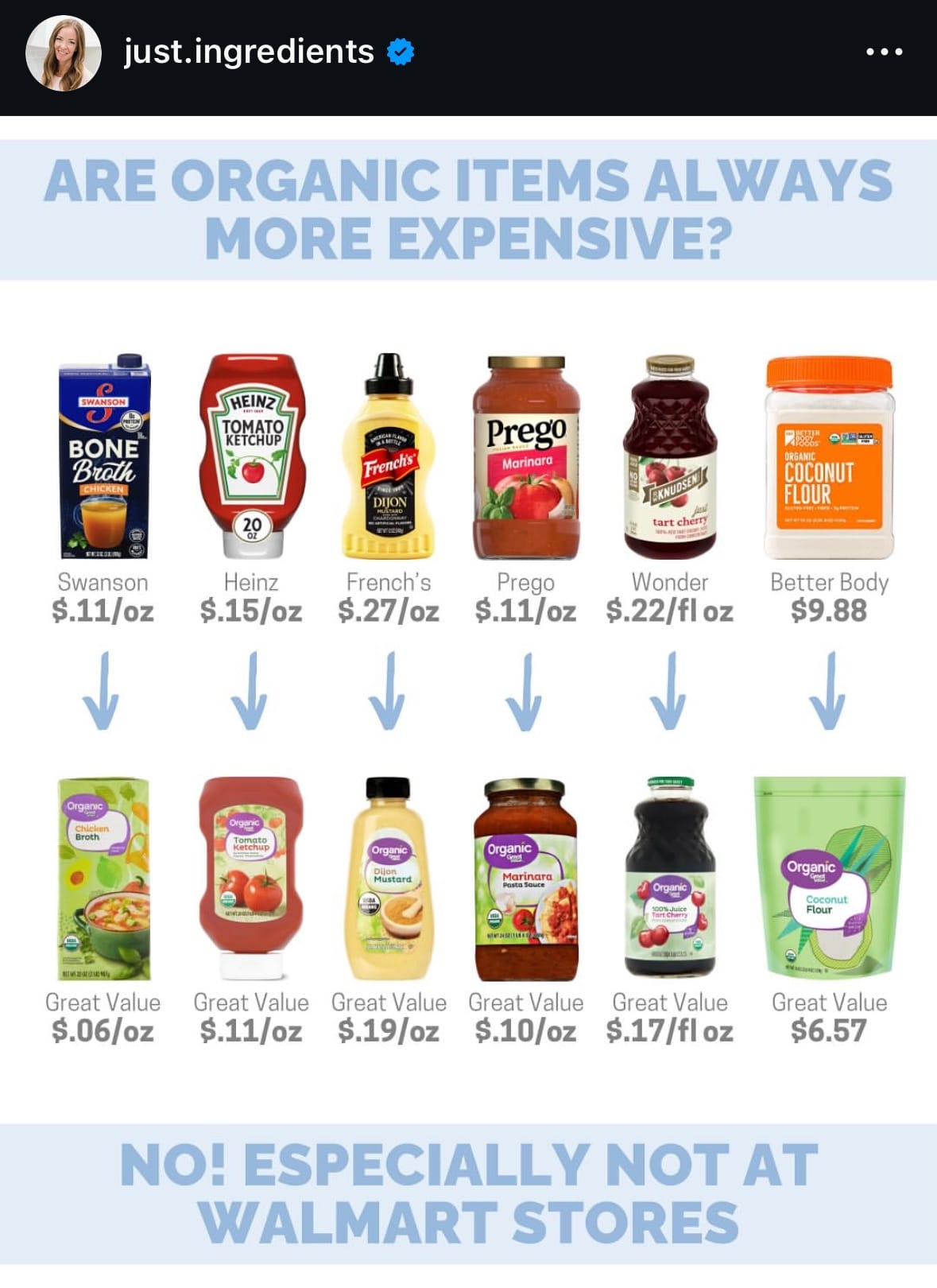
With more people learning about the health repercussions of synthetic chemicals used in conventional farming, the demand for organic products is rising and that means that the organic options are increasing and also sometimes making them similar prices to their competitors.
2. Better for the Environment.
Not only is choosing organic an investment in your health, it’s also a very needed investment in our planet’s health. Every dollar spent on organic is advocating for cleaner air and water, soil fertility, and a safer food supply, supporting both your body and the environment for generations to come. Synthetic chemicals don't just land on the crops, they get on the soil, in the waterways, and in the air.
Healthy soil creates nutrient-dense plants, which create a more nourished you. When you choose organic, you're choosing foods grown in soil that's alive with beneficial microorganisms - and that vitality transfers to your plate.
Like I said at the beginning, not every potato is created equal. If the soil is lacking nutrients, then the plant won’t be getting nutrients that it can transfer to the fruit (potato).

So to off-set this lack of nutrients the soil can be dressed with organic or synthetic fertilizers. Then to ensure there aren’t a bunch of bugs eating the plants a quick solution is to spray with synthetic pesticides. (Did you know sick, unhealthy plants emit a signal telling bugs they’re sick and for them to come eat them??) (And also there are other ways to ensure healthy crops besides synthetic fertilizers and pesticides but that’s a side quest for another time.)
These pesticides have a laundry list of studies showing the harmful effects they can have on our health. (I share links to some of them at the bottom of the post.)
Synthetic pesticides are not natural and do damage to our bodies and minds whether we see their effects today or down the road.
- Supporting Sustainable Practices.
Seeking out organic options connects you with local farmers and businesses committed to sustainable practices. Even if a farm isn’t certified, many small farmers use organic methods. Organic farming supports the kind of nutrient-dense foods your body thrives on. By seeking out and supporting these producers, you help promote sustainable agriculture and ethical food systems, regardless of official labels.
So let’s say you want to implement this but it feels overwhelming. Let’s start with one change. And yes, one change is enough to start building the habits, mindsets, and awareness towards a healthier you! If you eat any of the following fruits or veggies, they will give you the biggest health return when bought organic:
oranges, cherries, broccoli, spinach, raspberries, hot peppers, apricots, peaches, rice, cucumbers, grapes, potatoes, kale, and strawberries.
These are typically the produce most heavily sprayed with synthetic chemicals.
And here’s a caveat, there might not always be organic options for what’s on your grocery list. I know I’ve found that to be the case in the little town we currently live in. I’ve had to get creative with how I source some of the groceries. I either find them online and have them mailed to me or I wait until I do a bigger grocery haul and can go to a bigger city that has those organic ingredients in stock. Grocery stores I have found with a good selection of organic options for good prices include: Costco, Walmart, Trader Joe’s, Aldi, Grocery Outlet, and Azure Standard (online shopping only). If you have other stores suggestions, drop them in the comment section below!
Here are some other ways to take steps to building your health:

- Grow your own food! It really doesn’t take as much space as you think. You don’t even need land. You can grow plants in an apartment! Start with a couple veggies you know you eat and go from there. (If you have any gardening questions I’m always happy to share all the information and experience I have!) I'd argue this is even better than organic!
- Whether you’re growing from seed or from starts we want plants that have words like organic and heirloom varieties. Organic soil, organic compost, and organic fertilizers (if using those).
- Also this doesn’t have to be all on your own. Collaborate on this with a few people. Maybe you grow the tomatoes, beans, and pumpkins, someone else handles the greens and herbs (lettuce, spinach, bok choy, cilantro, basil), and another the carrots and potatoes. We’re better and stronger together!
- Wash your fruits and veggies before consuming. While this won't completely eliminate what's been sprayed on the produce, it will decrease the amount.
- Vinegar Wash: mix ½ cup of vinegar with 1 cup of water (preferably filtered). Submerge the produce in the solution, stir gently and soak for 2-3 minutes. Rinse thoroughly with clean, filtered water. If not eating the produce right away, let air dry on the counter.
To wrap it up and look at how organic choices support your health, the environment, and the community:
- Reduced toxic load = more energy for healing and living life more abundantly
- Higher nutrient density = better cellular function, greater overall health
- Supporting gut health through cleaner inputs
- Hormone balance support
- Antioxidant protection for aging well
- Reduce inflammatory triggers for autoimmune concerns
- Support farmers putting health over profits for sustainable farming practices
- Improve and protect the air, water, and soil of our world
I am a big advocate for autonomy so I share this information to simply inform and being awareness. My hope is always that we are becoming more knowledgeable about our food. For too long there have been things done to our food without us knowing or realizing the impacts it has on us (for better and worse). We've become disconnected from our food systems. Every cell in our bodies is made up of the foods (and drinks) we consume. We are amazing beings and we deserve to know what our food is made of, from where it came, and how it came to be. When we start feeling off, we can look to what we've been eating to give us some guidance as to a possibility for why we're not feeling our best. Then we can make informed decisions going forward!
Each organic choice is like making a deposit in your health savings account - supporting your body's resilience for years to come.
Have you made steps towards switching to organic? Share your favorite organic finds or tips in the comments below!
Studies on Pesticides And Their Impact On Our Health:
https://pmc.ncbi.nlm.nih.gov/articles/PMC11664077/
https://www.frontiersin.org/journals/nutrition/articles/10.3389/fnut.2024.1342881/full
https://pubmed.ncbi.nlm.nih.gov/29432005/
https://www.sciencedirect.com/science/article/abs/pii/S0041008X23002624
 Milla F. Brandao Gois
 *Correspondence: asgharalijamiahamdard.ac.in
[This blog provides general information and should not be taken as medical advice. Consult with a qualified healthcare professional for any health concerns.]
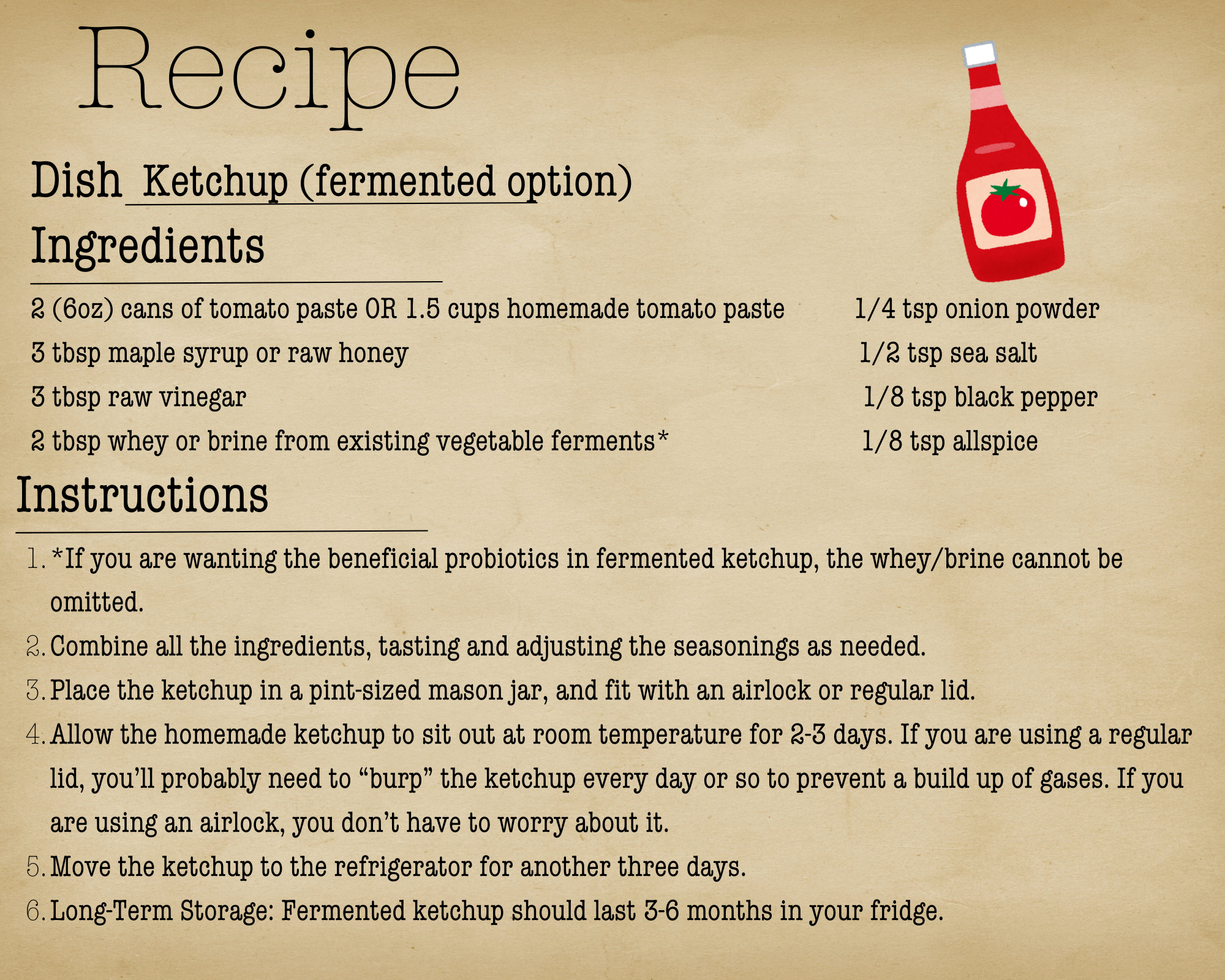
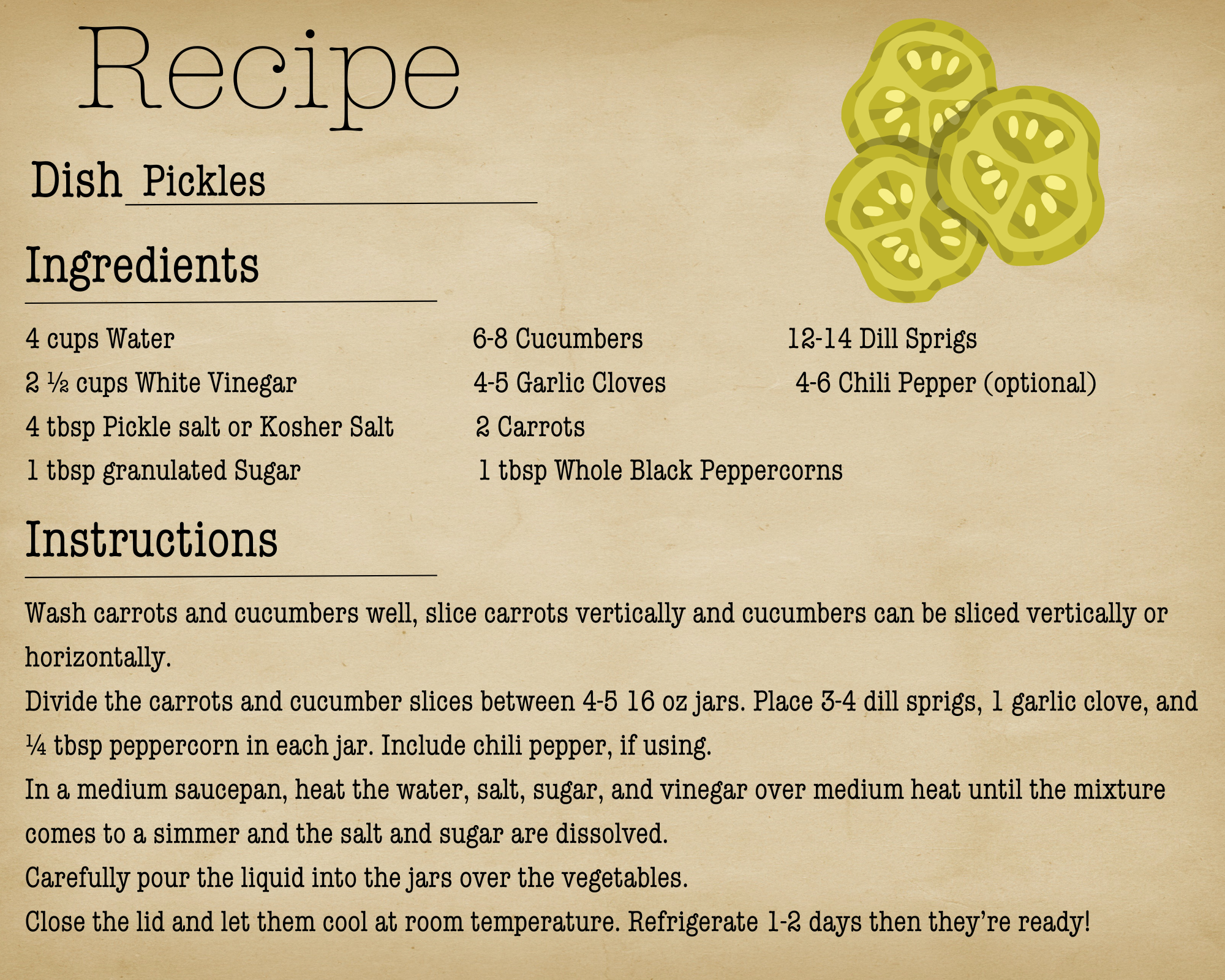
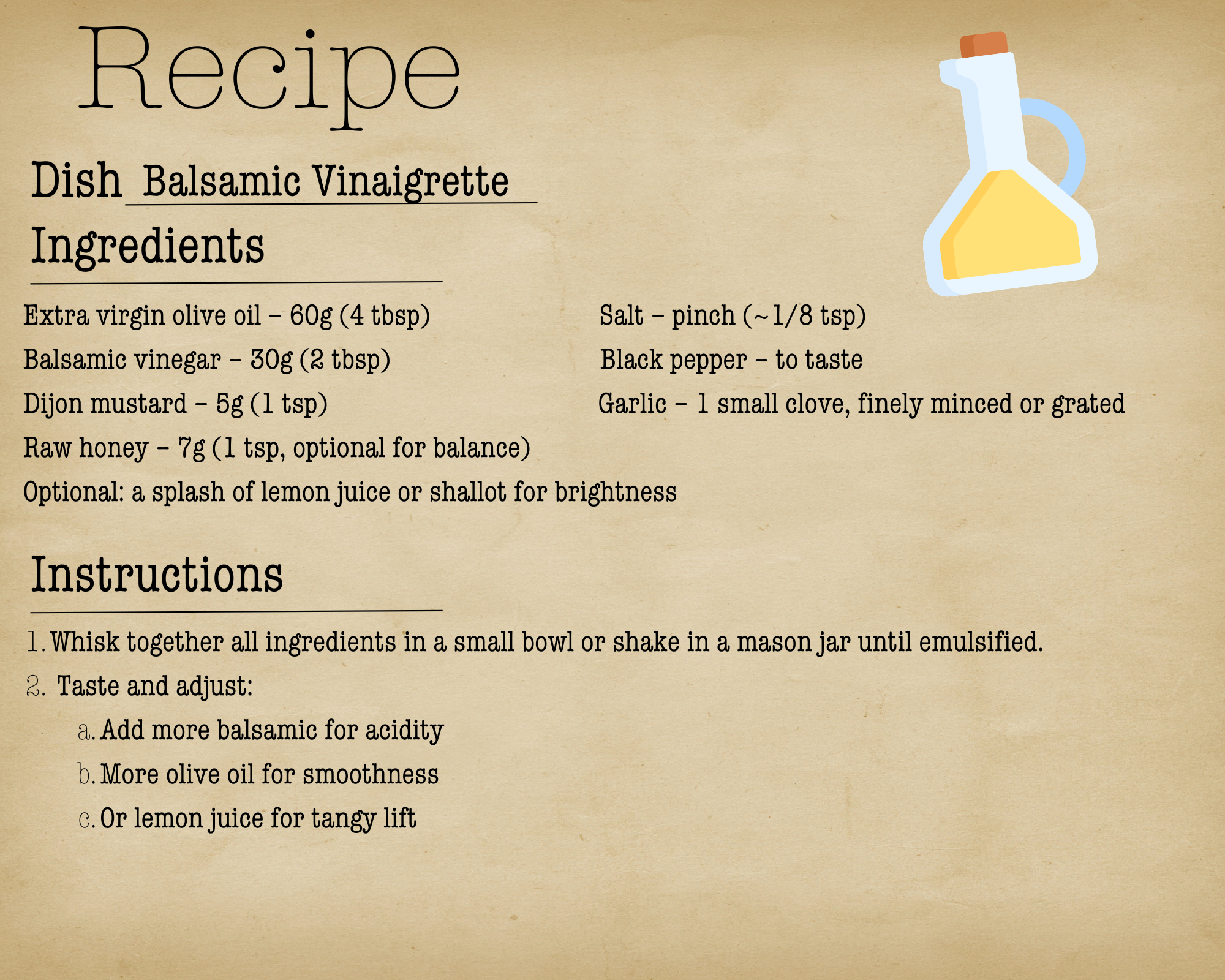
Recipe(s):
It's cook-out season and one category of food I find notorious for having a less than ideal list of ingredients are condiments and salad dressings. And y'all, condiments and dressings are VERY easy to make. So today I'll be sharing with you three of my go-to recipes: fermented ketchup, pickles, and balsamic vinaigrette!