Local & In Season Foods

As you go to take a bite of your food, do you ever stop and think, “I wonder where this food came from”? “How was this chicken raised? What was it fed? Did it ever see sunlight?” “Was this cucumber grown in the ground or in a greenhouse? Was it sprayed with any synthetic chemicals? I wonder what the soil condition was. Was it a GMO seed or heirloom or organic?”
What? You didn’t have these thoughts?! I guess you’re normal ;)
Listen, I know y’all have busy lives. You wear multiple hats and you’re pulled in too many directions. AND YET I’d like to argue that understanding the foods and drinks you consume is one of THE biggest important aspects of your life. Why? Well, you are what you eat. What you eat plays a huge role in your body functioning on the daily -doing all the behind the scenes things: regenerating new cells, growing new muscle or repairing damaged muscle, detoxing, keep a strong immune system, allowing your brain to function, improving bone density, creating hormone balance, healing and working 24/7 to keep you in homeostasis (the body's ability to maintain a stable internal environment despite changes in the external environment.). All this your body is able to do well (or maybe not so well) depending on what you fuel yourself with.
When you are nutrient rich, you lessen your chances of getting sick, injured, developing a disorder or a disease and increase your percentage of a full, thriving life. We all know how valuable our health is. Everything else really hangs on if we’re healthy or not, right? I’d argue food/nutrition is one of the central pillars of health. If you haven’t taken a journey specifically concerning your food, I hope you do soon. Maybe this blog is part of your journey and if so, I’m so very honored and excited for you!
All that to say, I’m going to give you some questions today that I do hope you start asking yourself and those you buy your food from. Because you’re swapping your hard earned money for these foods and you have every right to know what is going in to your divine body.
If you read my last post, I said we were going to cover in season, local, and organic vs. conventional. I lied, unintentionally. My goal for these posts is that they will be good size nuggets but not a full course meal. I want you to be able to digest what’s being said. We’ll continue to build upon the different topics because they all relate to each other in some way. So for this post we’re covering in season and local. As I was putting my notes together and gathering studies on organic vs. conventional, this post was going to be longer and more cumbersome than I’d like. I hope you’ll forgive the fib.
When we walk into the grocery store any day of the year you’ll find the same staple produce options: apples, oranges, bananas, potatoes, broccoli, green beans, cucumbers, carrots, and so on. Because of this phenomenon it can be easy to forget this is actually not natural. What do I mean by that?

Everything in nature goes through seasons - growing seasons and dormant seasons. (and yes, this includes us, humans, as well ;) ) Nothing produces fruit all year round. Yet we can have fresh berries in the winter, tropical fruits like bananas and pineapple at our disposal in cold climates, and our avocados any day of the year. This is one of the beautiful things about globalism and modern farming practices. We are privileged to have access to an abundance of options whenever we’d like. But are all those options the same nutritionally for us?
It probably won’t come as a surprise that foods picked and eaten in season are fresher and can be the highest in nutrients because they are (typically) harvested at peak ripeness and consumed shortly after, which preserves higher levels of vitamins, minerals, and antioxidants compared to out-of-season produce that may be picked early and stored for long periods. This typically happens when a product is going to be shipped far away from where it was grown so that the product is ripe and edible by the time it gets to its destination. Unfortunately though these products picked and shipped underripe will be less nutrient dense than their local, in season counterparts.
There’s a good chance out of season produce that you see at the grocery store is not local. It could be! - by way of a greenhouse facility. But more than likely the out of season produce comes from a different part of our beautiful planet that’s currently in a different growing season.
Another benefit to consuming in-season produce is it’s typically cheaper to buy versus in the off season. Better yet, in season and local can be even cheaper! I saw this first hand the other day.
I stopped at a local farm’s covered tent stand located in a gas station parking lot on my way home. I’m sure y’all have seen those in your area as well. This overflowing box (pictured below) cost me $6.50 for 879 grams. I asked those working the booth if it had been sprayed with anything and they proudly said, “No, ma’am!”.

Whereas the carton pictured below cost $4.12 for 454 grams at the local grocery store. I looked at the label and saw the farm is located in San Diego, California. (Not really local to North Carolina.) Then I looked again and realized what the label ACTUALLY says is that it’s an imported product from Mexico being sold by the farm out of San Diego.

Now, this product has no indication that it’s organic/not sprayed with synthetic chemicals. To be fair the box from the local farm also didn’t have any indication that it was organic/not sprayed with synthetic chemicals. BUT I was face to face with a person from the farm and was able to ask them directly about their spraying practices.
Not only am I saving money by purchasing locally, I’m supporting a local farm whose farming practices (that I know of to this point) I am in-line with and want to avidly support, and consuming the highest quality and nutrient dense option available to me. I guess if I had to pick a downside it’d be that I had to go out of my way to buy the local berries. It wasn’t available at my grocery store. But to me, it wasn’t an inconvenience, like I said I was on my way home and had the time to make the stop.
In season and local produce can be a great way to save money while having nutrient dense options all year round. Stocking up and preserving the in season products could be an option to help dollars stretch further if you have storage space for it. -That could look like canning the produce, freezing, dehydrating, or freeze drying.
All of these preserving methods also hold the nutrients well. So whether you’re preserving yourself or buying canned or frozen fruits and veggies - know that those are also solid options to the fresh counterpart.
Shopping tip!
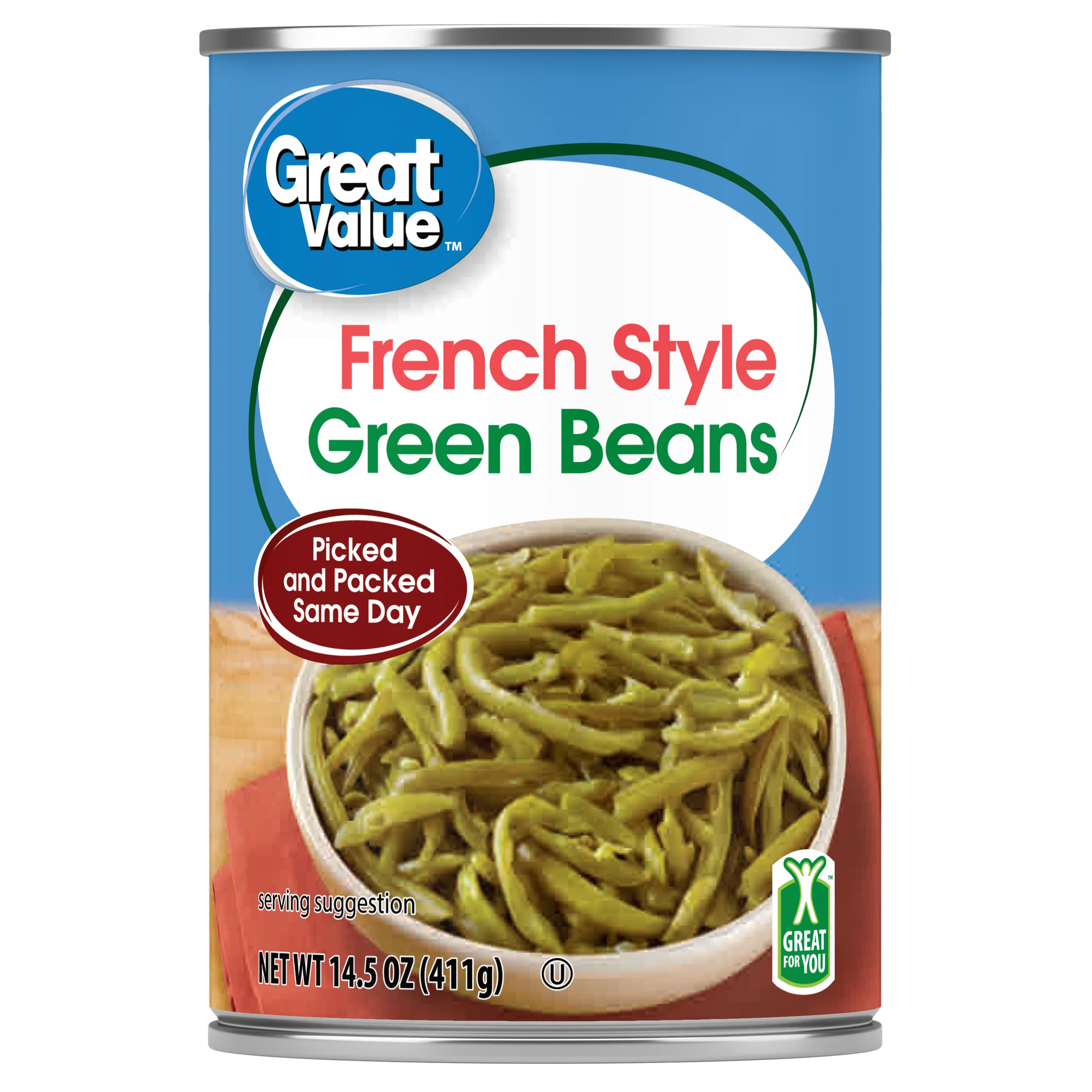
Something you want to look for on the label of preserved produce is something along the lines of that this product was picked and packed the same day. Not all food items have this but I always keep my eye out for that option.
For most fruits as soon as it’s picked from the vine it starts the decomposing process which also means the nutrition value slowly declines. (which is natural by the way) So when possible, opt for the product with the quickest picked to preserve timeline.
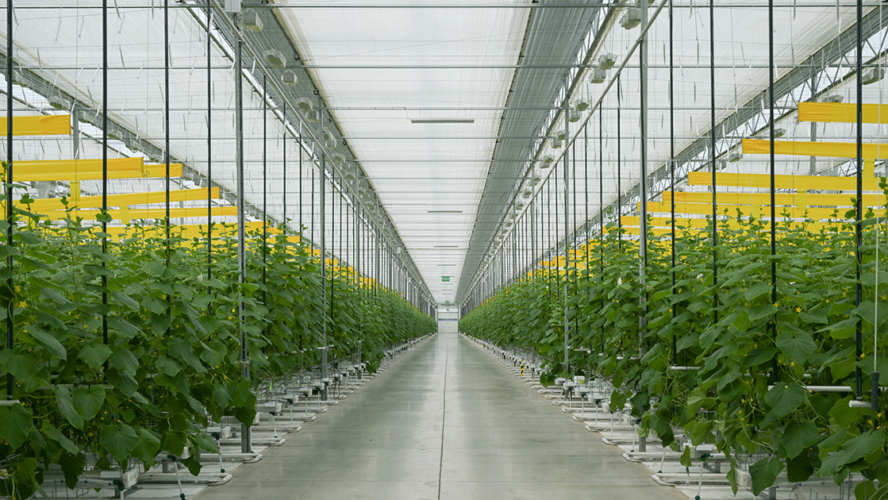
When it comes to greenhouse-grown crops, they can sometimes match seasonal nutrient profiles, though flavor may differ.
Going back to my earlier statement because we have the staple produce options all year round, it has led to us not really knowing what’s in season for where we live. It has thrown me for a loop that u-pick strawberry events started up mid April here in my area of eastern North Carolina. In western Washington State, strawberries aren’t typically ripe until June!
I thought about sharing a list of what’s in season now but it’s so dependent on where we all live. It won’t be the same for everyone. But there is this wonderful website that is a great tool to learn about what’s in season for your area. Check it out! https://www.seasonalfoodguide.org/
While in my anecdote earlier gave an example of my grocery store not having a local option, buying local can absolutely mean buying from your go-to grocery store. The next time you go to the store, I would encourage you to ask someone who works in the produce department which of the items of their selection are local produce. In some stores they even have little signs next to the price sign letting you know if the product is local. Each sticker on each piece of fruit or veggie will also say where its origins lie if it’s from out of the country, domestic produce doesn’t have to say where it’s from but farms can voluntarily share that information.

If you’re buying a bag of produce, like a bag of potatoes, let's say, it will also have the state or country it came from on the bag.
Interactive Challenge!
If you have kiddos with you at the store this could be an engaging and entertaining activity for them to do - figure out where the produce you buying came from.
Buying local can also look like taking a trip to your local farmer’s market, joining a CSA (community supported agriculture), a farm stand on the side of the road, or visiting farms in the area. Not sure if there are any farms near you that sell produce you’re looking for? https://www.farmmatch.com/ check out this cool website!
My last idea for you to find local goods is to search places like Facebook Marketplace and Craigslist. Back when I lived in Washington State, I bought a huge case of apples one year from someone who had apple trees in their backyard and had so many they didn’t want the fruit to go to waste, they practically gave them away! I got to make so many things from the apples: applesauce, apple cider vinegar from the peels and cores, apple pie filling, apple juice, dehydrated apples, and apple jelly.
Now I’ve mainly given references to produce but the same applies to honey and animal products as well. Usually there aren’t “in-season” animals as their meat can be frozen and still be of good quality months later but there are definitely local meat farms/ranches and butchers to consider. Local meat often has a shorter farm-to-table timeline, preserving B vitamins, iron, and protein integrity compared to meat shipped long distances. 1
Local eggs and dairy products can also have greater nutritional value than their counterparts. (These food categories will get their own post at some point so I’m not going to dive too deep into them right now.)
Being this is a holistic health blog, I'd be remissed if I didn't mention that consuming foods grown locally has greater positive impact on the environment and on local economics.
Okay let’s circle back to the questions I mentioned earlier. These are good questions to ponder over and even ask those selling the foods you plan on consuming.
Produce: Is this food currently in season? Where did it come from?
If buying from someone local:
What has it been sprayed with? What has it been fertilized with? How long ago was it picked?
Animal Products:
If buying from someone local:
Eggs/Poultry: What are the chickens fed? How much space do they have? Do they go outside and for how long?
Meat: What is the animal fed? Is the feed organic? Are there GMO crops in the feed? Where were the animals raised (state, country)? What growth hormones or routine antibiotics are used on the animal? How much space does the animal have to move around in? How much time does it have access to outside? Is it on pasture land? Is it in a feedlot? Where and how is the animal processed? Is it sprayed with bleach during the butchering process?
Fish: Is it wild or farm raised? How was it caught? How long ago was it caught? Where was it caught?
I know that’s a lot of questions. I’d encourage you to start with one or two of the example questions and go from there. In the posts that follow we’ll be diving deeper into the context of these questions and give you much more perspective if you’re unfamiliar with any of these aspects of your food and why it matters nutritionally and for your overall health.
I don’t want to close without saying whether it’s local, in season, or not, having some form of produce (fresh, canned, frozen, etc.) and some form of animal products (meat, fish, eggs, dairy) at each meal is a great, health-positive option for you and your family! These are all whole foods that fuel your body with the necessary nutrients.
Recipes
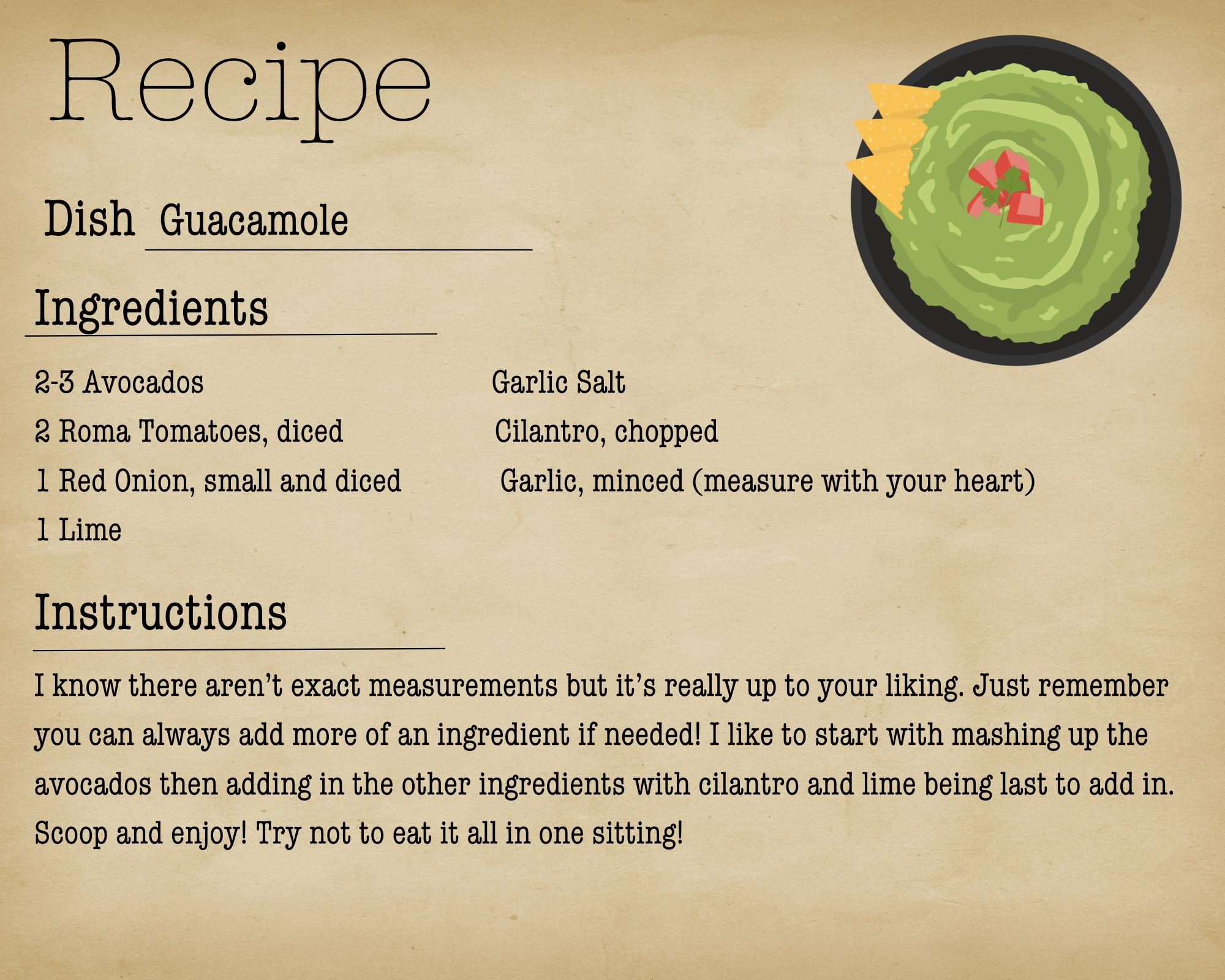
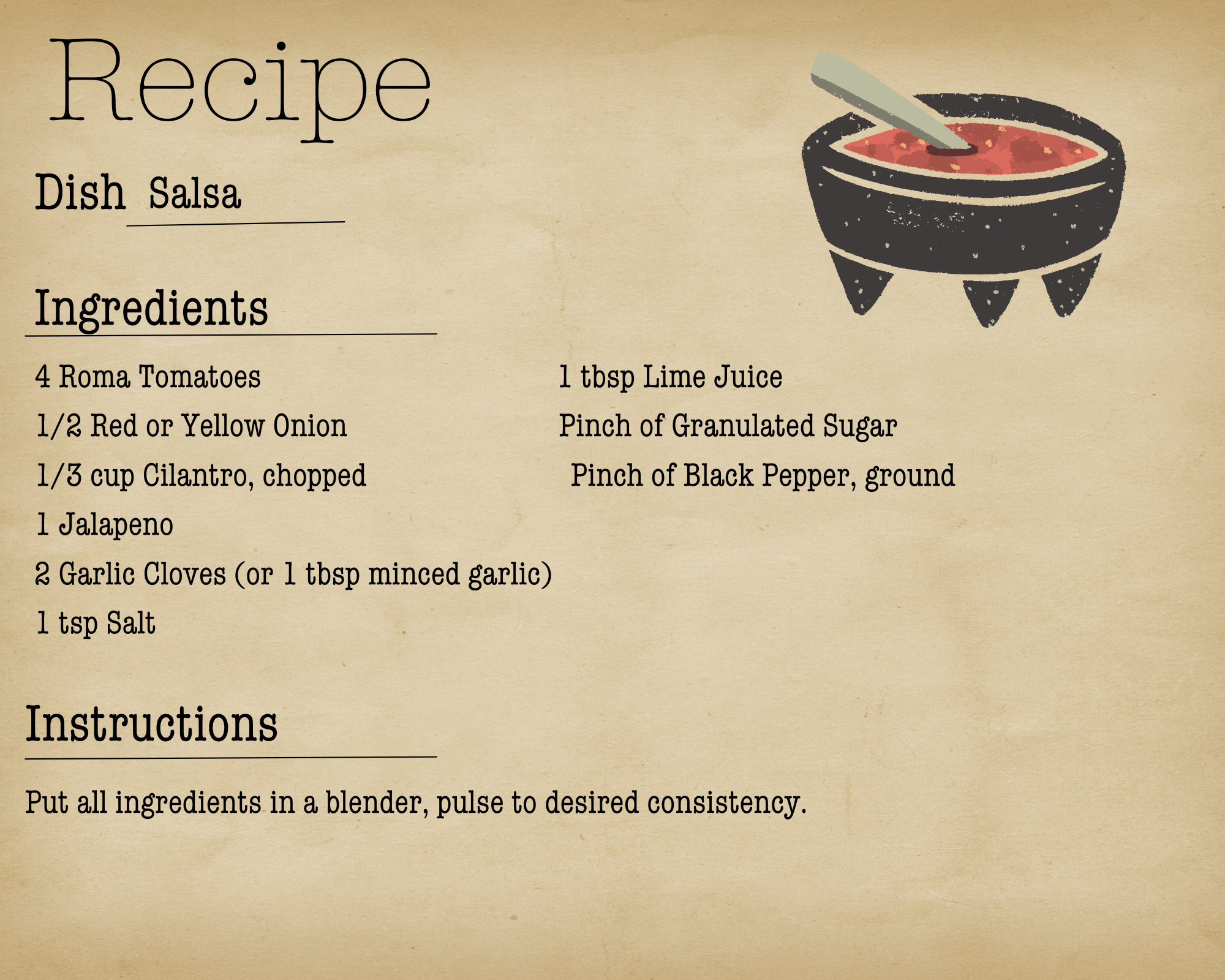
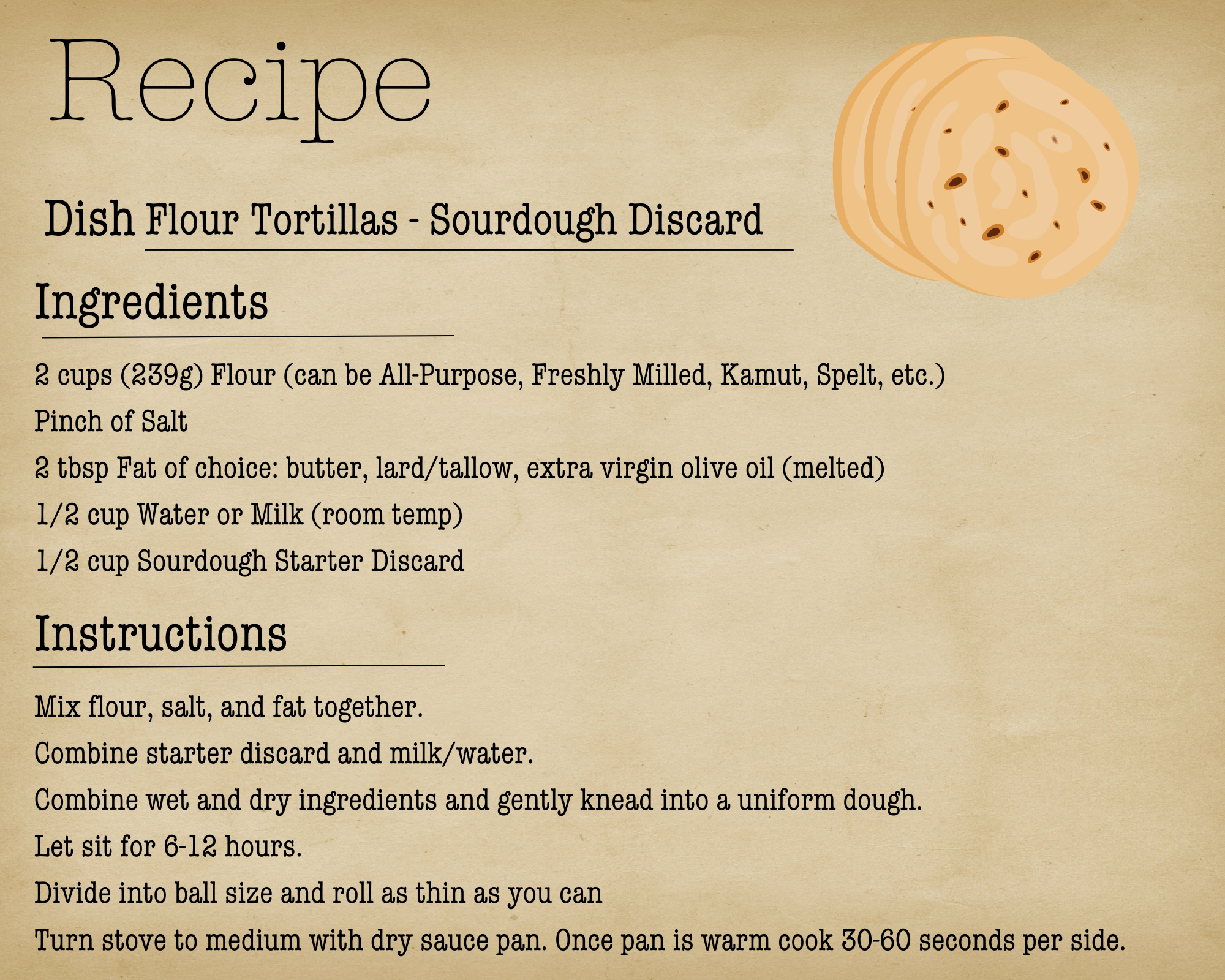
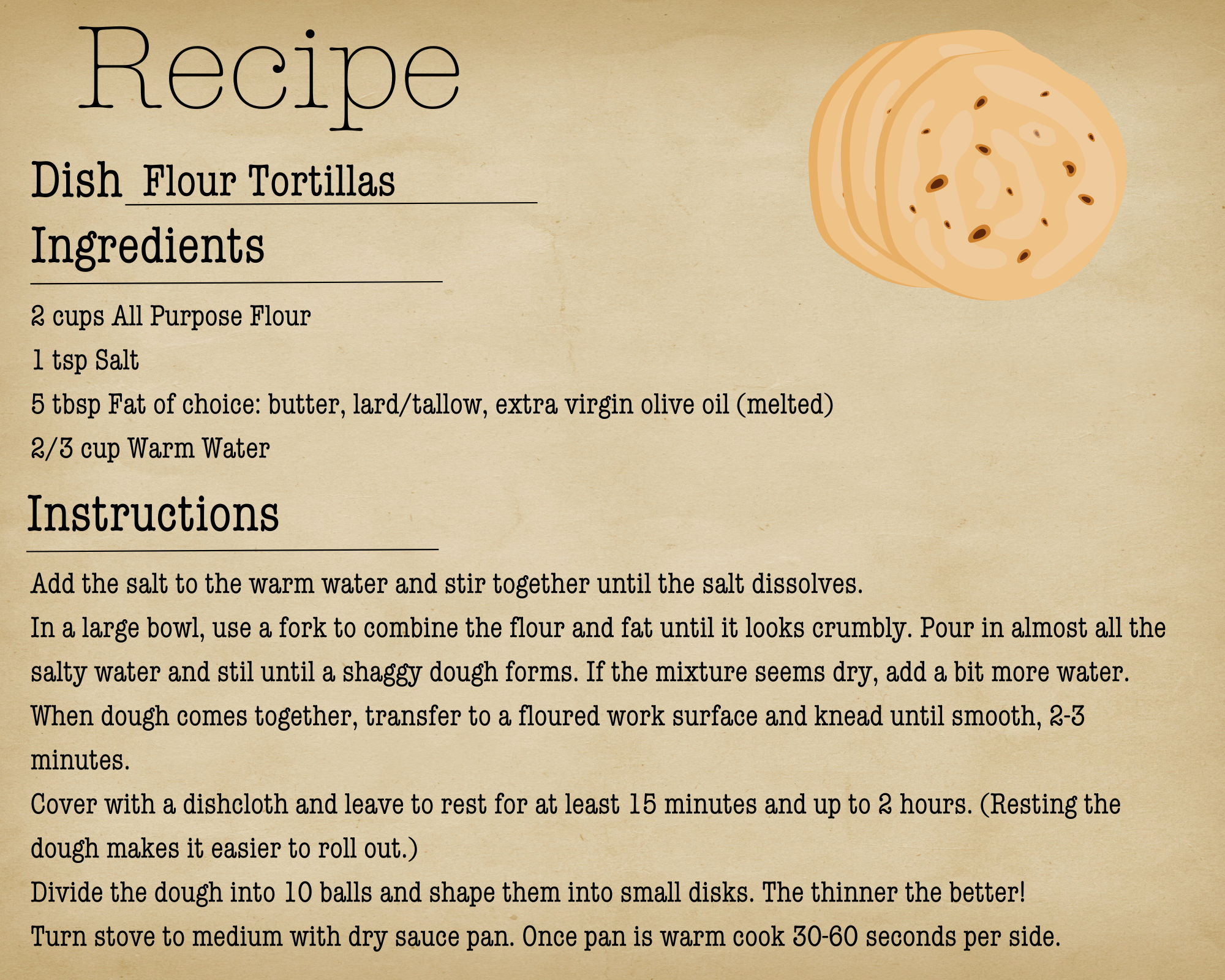
We’ve got Cinco de Mayo around the corner and I LOVE Mexican food! So I’m going to share THREE of my favorite Mexican recipes: guac, salsa, and flour tortillas.
Recommendations
Tortilla Chips:
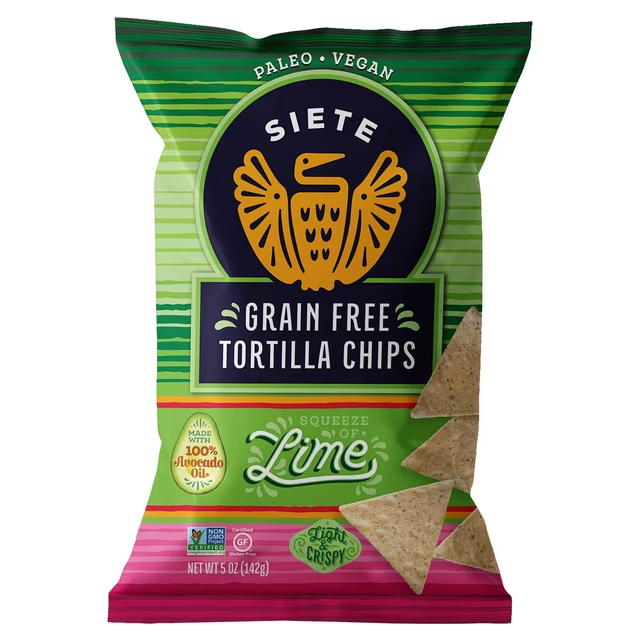
Masa and Siete are two great options for a better quality tortilla chip. Masa isn't found in stores - just online via their website or Amazon. Siete you can find at most grocery stores like Walmart, Target, and Whole Foods.
 Ancient Crunch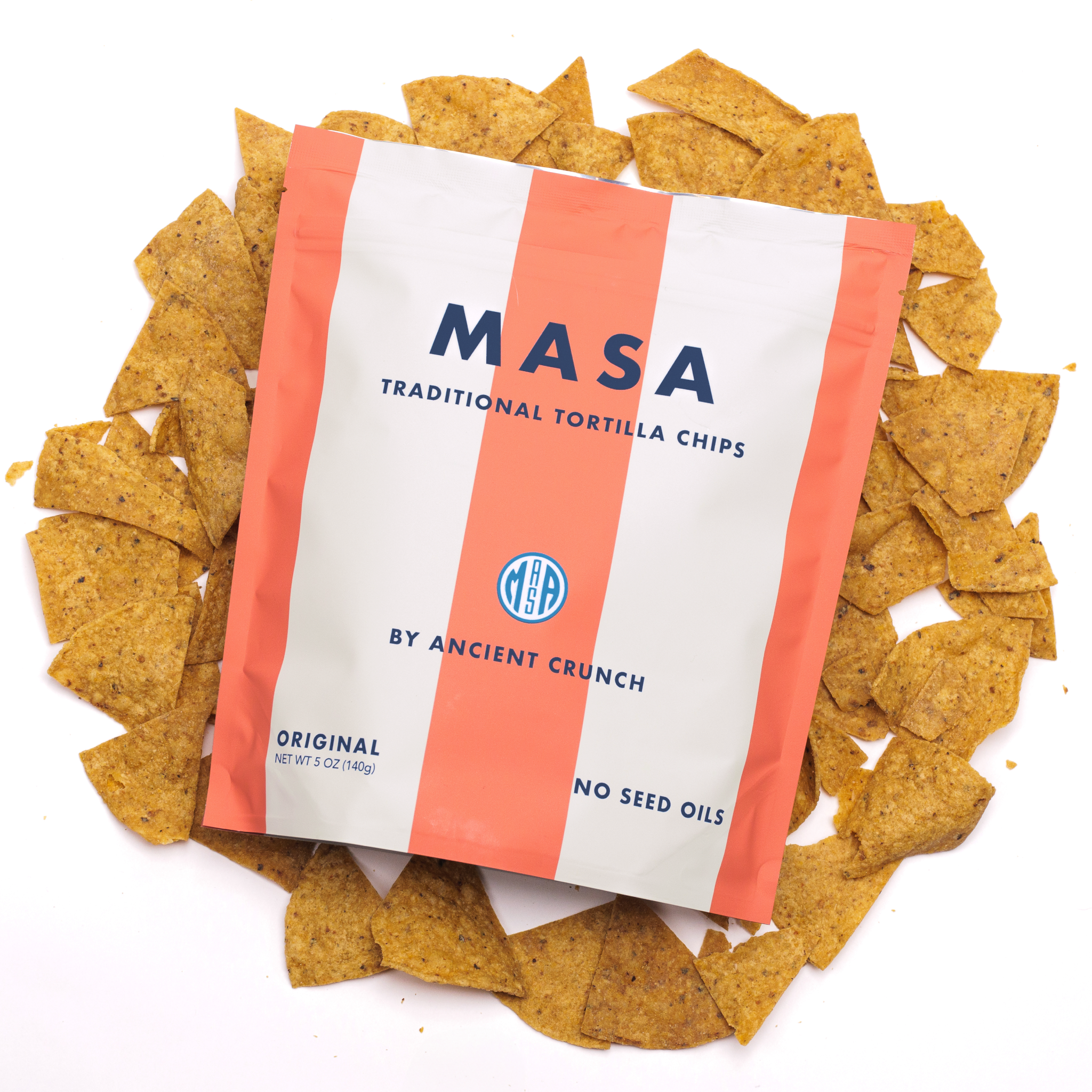
Lastly, I promised a couple gardening tips because 'tis the season!
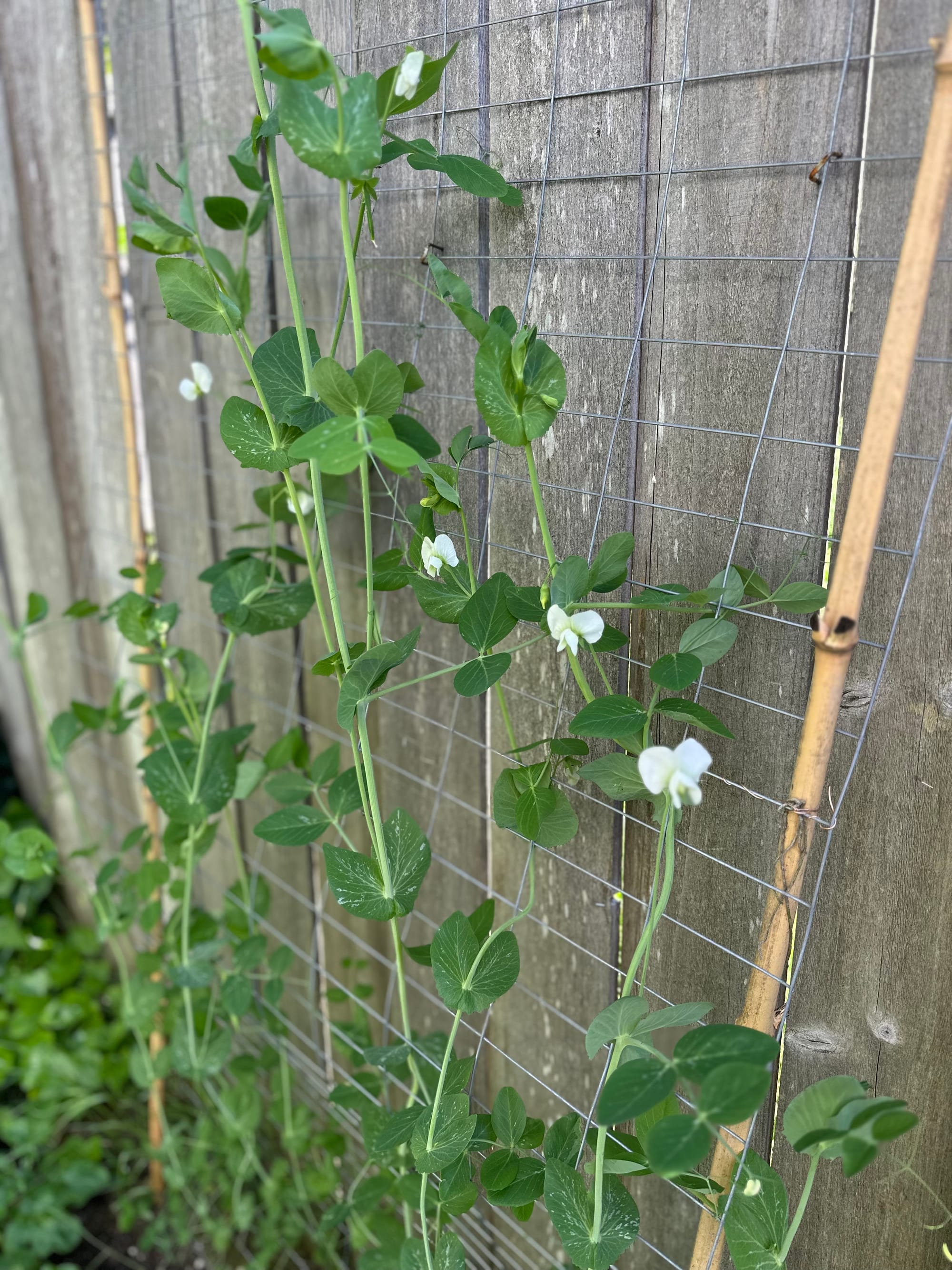
- Grow things you know you'll eat.
- Buy plant starts or seeds from a local nursery or one of the local suggestions I listed above. You'll have greater success with the plant doing well if it's a plant that has been grown in your area rather than one that may be shipped in to a big box store. Look for organic, heirloom plants. If the plant tags don't directly say it's organic, ask someone.
- Here are some of the easiest plants I've had success with:
- Likes shade, cooler weather, kept moist: lettuce, peas, cilantro, parsley (all these are easy to grow from seed)
- Likes at least 6 hours of full sun: cucumbers, green beans, tomatoes, zucchini, pumpkins (Try not to get any of these plants leaves wet. Water at ground level)
- Buy organic soil or compost. (Look on FB marketplace for local compost made from aged manure. Ask what the animals were fed.)
- Join a Facebook Gardening Group for your area! See what others are doing, ask questions, and share your garden with them!
If you have any gardening/plant questions, I would love to offer all the information I have to you! Please reach out!
Blessings, Kels